The Prime Minister is Canada’s head of government: the person who leads the Cabinet and sets the government’s direction. Canadians don’t vote for the Prime Minister directly. The Governor General appoints whoever can hold the confidence of the House of Commons, which in practice means the leader of the party that can win its votes. See Cabinet and the Prime Minister’s Office and Confidence for how that works.
Prime Ministers are numbered by person, not by term. Someone who leaves office and later returns keeps their original number, which is why there have been more terms than Prime Ministers.
For the elections that put them there, including which produced majority or minority governments, see 150 years of federal elections.
At a glance
- Prime ministers
- 24
- in 29 separate terms; 4 came back for a second or third
- Longest in office
 William Lyon Mackenzie King
- 21 years, 5 months, over 3 terms
- Shortest in office
 Charles Tupper
- 68 days
- Years in power since 1867
- 59% Liberal
- 41% Conservative and predecessors
Timeline
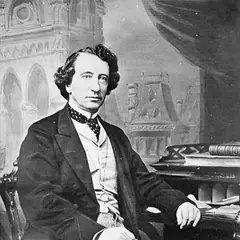 1. John A. MacdonaldLiberal-Conservative, Conservative1867–1873
1878–1891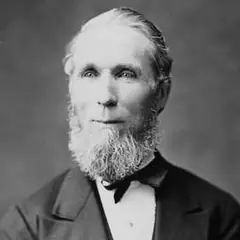 2. Alexander MackenzieLiberal1873–1878
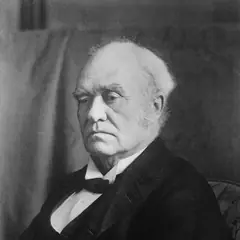 3. John AbbottLiberal-Conservative, Conservative1891–1892
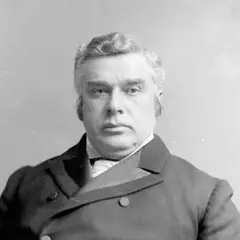 4. John Sparrow David ThompsonLiberal-Conservative1892–1894
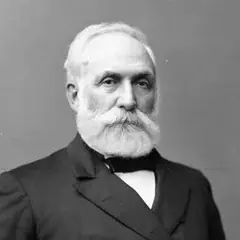 5. Mackenzie BowellLiberal-Conservative, Conservative1894–1896
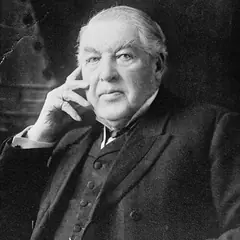 6. Charles TupperConservative1896–1896
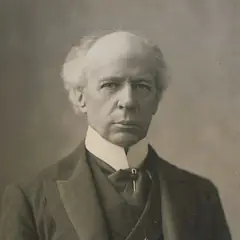 7. Wilfrid LaurierLiberal1896–1911
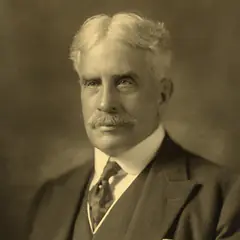 8. Robert BordenConservative, Unionist1911–1920
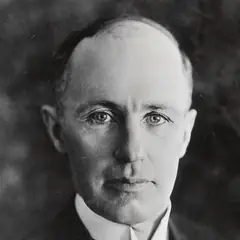 9. Arthur MeighenUnionist, Conservative1920–1921
1926–1926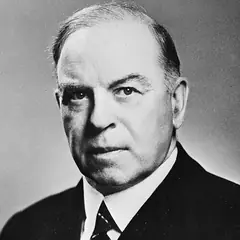 10. William Lyon Mackenzie KingLiberal1921–1926
1926–1930
1935–1948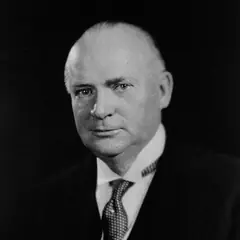 11. R. B. BennettConservative1930–1935
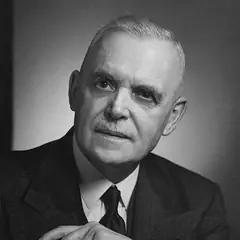 12. Louis St. LaurentLiberal1948–1957
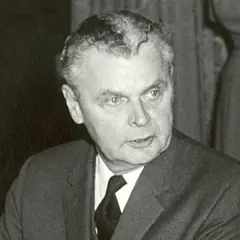 13. John DiefenbakerProgressive Conservative1957–1963
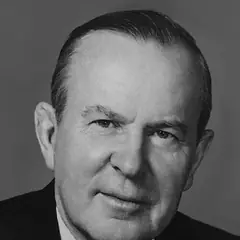 14. Lester B. PearsonLiberal1963–1968
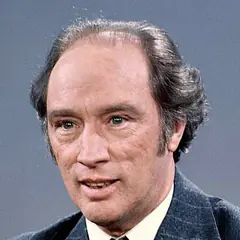 15. Pierre TrudeauLiberal1968–1979
1980–1984 16. Joe ClarkProgressive Conservative1979–1980
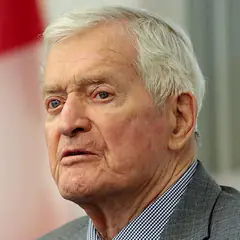 17. John TurnerLiberal1984–1984
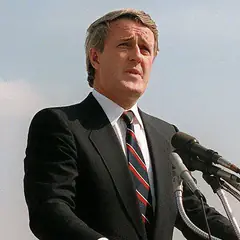 18. Brian MulroneyProgressive Conservative1984–1993
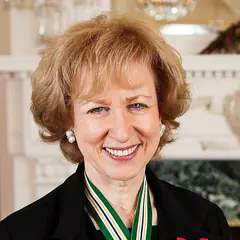 19. Kim CampbellProgressive Conservative1993–1993
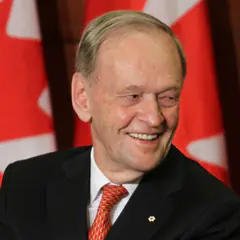 20. Jean ChrétienLiberal1993–2003
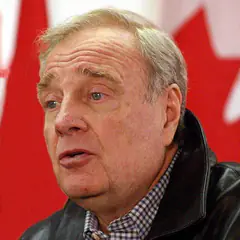 21. Paul MartinLiberal2003–2006
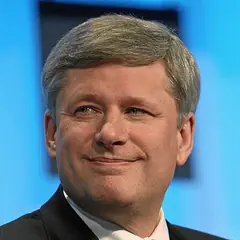 22. Stephen HarperConservative2006–2015
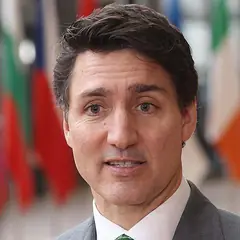 23. Justin TrudeauLiberal2015–2025
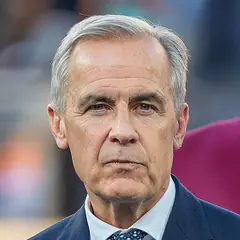 24. Mark CarneyLiberal2025–presentCurrent
The stripe and ring show the party family. Select a prime minister for their dates in the table below. Photos: Wikimedia Commons; see Credits.
How parties are coloured
Canada’s party system has always had a Liberal side and a Conservative side, but the Conservative side has changed its name several times. The timeline colours each term by party family so the long-run pattern is easy to see:
| Party in office | Years | Colour |
|---|---|---|
| Liberal | 1867 to today | Liberal |
| Liberal-Conservative | Macdonald’s coalition in the first years after Confederation | Conservative family |
| Conservative | The original Conservative Party, 1867–1942 | Conservative family |
| Unionist | Robert Borden’s wartime coalition of Conservatives and Liberals who backed conscription, 1917–1921 | Conservative family |
| Progressive Conservative | 1942–2003 | Conservative family |
| Conservative | Today’s party, formed in 2003 when the Progressive Conservatives and the Canadian Alliance merged | Conservative family |
The Unionist government is grouped with the Conservatives because it was led by Conservative Prime Ministers and most of its members were Conservatives. The table below lists each party by its own name.
Every Prime Minister
| No. | Prime minister | Party | In office | Time in office |
|---|---|---|---|---|
| 1 |  John A. Macdonald (Wikipedia) | Liberal-Conservative, Conservative | July 1, 1867 – Nov. 5, 1873Oct. 17, 1878 – June 6, 1891 | 18 years, 11 months |
| 2 |  Alexander Mackenzie (Wikipedia) | Liberal | Nov. 7, 1873 – Oct. 8, 1878 | 4 years, 11 months |
| 3 |  John Abbott (Wikipedia) | Liberal-Conservative, Conservative | June 16, 1891 – Nov. 24, 1892 | 1 year, 5 months |
| 4 |  John Sparrow David Thompson (Wikipedia) | Liberal-Conservative | Dec. 5, 1892 – Dec. 12, 1894 | 2 years |
| 5 |  Mackenzie Bowell (Wikipedia) | Liberal-Conservative, Conservative | Dec. 21, 1894 – April 27, 1896 | 1 year, 4 months |
| 6 | Charles Tupper (Wikipedia) | Conservative | May 1, 1896 – July 8, 1896 | 68 days |
| 7 |  Wilfrid Laurier (Wikipedia) | Liberal | July 11, 1896 – Oct. 6, 1911 | 15 years, 2 months |
| 8 |  Robert Borden (Wikipedia) | Conservative, Unionist | Oct. 10, 1911 – July 10, 1920 | 8 years, 9 months |
| 9 |  Arthur Meighen (Wikipedia) | Unionist, Conservative | July 10, 1920 – Dec. 29, 1921June 29, 1926 – Sept. 25, 1926 | 1 year, 8 months |
| 10 | William Lyon Mackenzie King (Wikipedia) | Liberal | Dec. 29, 1921 – June 28, 1926Sept. 25, 1926 – Aug. 7, 1930Oct. 23, 1935 – Nov. 15, 1948 | 21 years, 5 months |
| 11 |  R. B. Bennett (Wikipedia) | Conservative | Aug. 7, 1930 – Oct. 23, 1935 | 5 years, 2 months |
| 12 |  Louis St. Laurent (Wikipedia) | Liberal | Nov. 15, 1948 – June 21, 1957 | 8 years, 7 months |
| 13 |  John Diefenbaker (Wikipedia) | Progressive Conservative | June 21, 1957 – April 22, 1963 | 5 years, 10 months |
| 14 |  Lester B. Pearson (Wikipedia) | Liberal | April 22, 1963 – April 20, 1968 | 4 years, 11 months |
| 15 |  Pierre Trudeau (Wikipedia) | Liberal | April 20, 1968 – June 4, 1979March 3, 1980 – June 30, 1984 | 15 years, 5 months |
| 16 |  Joe Clark (Wikipedia) | Progressive Conservative | June 4, 1979 – March 3, 1980 | 8 months |
| 17 |  John Turner (Wikipedia) | Liberal | June 30, 1984 – Sept. 17, 1984 | 79 days |
| 18 |  Brian Mulroney (Wikipedia) | Progressive Conservative | Sept. 17, 1984 – June 25, 1993 | 8 years, 9 months |
| 19 |  Kim Campbell (Wikipedia) | Progressive Conservative | June 25, 1993 – Nov. 3, 1993 | 4 months |
| 20 |  Jean Chrétien (Wikipedia) | Liberal | Nov. 4, 1993 – Dec. 12, 2003 | 10 years, 1 month |
| 21 |  Paul Martin (Wikipedia) | Liberal | Dec. 12, 2003 – Feb. 6, 2006 | 2 years, 1 month |
| 22 |  Stephen Harper (Wikipedia) | Conservative | Feb. 6, 2006 – Nov. 4, 2015 | 9 years, 8 months |
| 23 |  Justin Trudeau (Wikipedia) | Liberal | Nov. 4, 2015 – March 14, 2025 | 9 years, 4 months |
| 24 |  Mark Carney (Wikipedia)Current | Liberal | March 14, 2025 – present | 1 year, 8 months |
Party names follow Wikidata. It labels John A. Macdonald’s 1878–1891 term Conservative; House of Commons Procedure and Practice lists both his ministries as Liberal-Conservative.
Why some served more than once
A Prime Minister can lose power and win it back. Three cases explain most of the returns:
- John A. Macdonald resigned in 1873 over the Pacific Scandal, a controversy about election money linked to the contract for the transcontinental railway. His party won the 1878 election and he governed until his death in 1891.
- The King–Byng affair (1926). William Lyon Mackenzie King asked Governor General Lord Byng to dissolve Parliament; Byng refused, and King resigned. Arthur Meighen formed a government but lost a confidence vote within days, and King won the election that followed. It’s the best-known use of the Governor General’s reserve powers. See also the glossary.
- A minority defeated (1979–80). Joe Clark’s minority government lost a confidence vote on its budget in December 1979, and Pierre Trudeau’s Liberals won the election of February 1980.
Sources
- Wikidata: everyone who has held the position of Prime Minister of Canada, with start and end dates and party membership (CC0)
- Wikipedia: List of prime ministers of Canada (CC BY-SA 4.0)
- House of Commons Procedure and Practice, 4th ed., Appendix 6: Government Ministries and Prime Ministers of Canada Since 1867: terms of office, the 1873 resignation, the Unionist government and the 1926 crisis
- History of Election Outcomes (Elections Canada): the dissolution of December 14, 1979 and the election of February 18, 1980
- Prime Minister Mark Carney (Office of the Prime Minister): Canada’s 24th Prime Minister
- Privy Council Office: supports the Prime Minister and Cabinet
- Parliament of Canada Act
The data behind this page is refreshed by a script. See Credits for details.